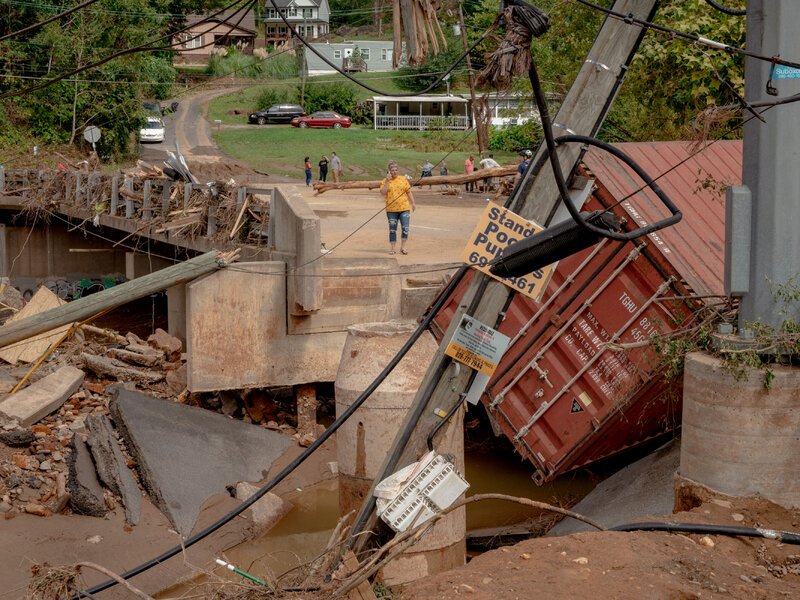
For decades, disaster response followed a predictable rhythm. Hurricanes had a season. Wildfires peaked in defined windows. Flood recovery moved in waves.
That rhythm is gone.
As outlined in our broader 2026 Outlook, federal disaster response is no longer seasonal; it’s continuous. Overlapping extreme weather events, shifting funding priorities, and evolving federal guidance are fundamentally changing how agencies, primes, and partners plan their workforce and operational capacity.
The question is no longer whether response capacity will be needed, but how quickly and sustainably it can be mobilized.
Overlapping Events, Compressed Timelines
Storm cycles are longer. Wildfire seasons are more severe. Flooding and infrastructure failures are compounding rather than occurring in isolation.
Instead of clean transitions from response to recovery, agencies are managing multiple active operations at once. Recovery timelines now frequently overlap with new emergency activations, creating sustained demand for:
- Field inspectors
- Environmental and safety professionals
- QA/QC specialists
- Logistics coordinators
- Project controls and grant compliance staff
This shift requires agencies and contractors to rethink workforce models that were once surge-based and episodic.
FEMA Funding: A Continued Driver of Activity
While operational tempo has changed, funding remains a central force shaping the market.
FEMA continues to release significant preparedness and resilience funding through Notices of Funding Opportunity (NOFOs), driving downstream projects at the state and local level. These programs fuel infrastructure hardening, mitigation initiatives, and long-term recovery efforts.
In addition, the Department of Homeland Security has published FEMA’s FY2026 Congressional Budget Justification, offering insight into:
- Program priorities
- Resource allocations
- Staffing assumptions
- Preparedness investment focus areas
For contractors and agency partners, this budget guidance is more than a policy document; it signals where capacity needs to exist before disasters strike.
What’s Changed: Disaster Capacity Is Now Baseline
Perhaps the most significant evolution is structural.
More agencies and prime contractors are building response capacity into their baseline workforce plans rather than treating it as an ad hoc surge requirement.
This includes:
1. On-Call and Rapid Deployment as Standard Practice
Standing deployment teams and credentialed surge personnel are becoming foundational, not optional. Agencies are prioritizing pre-vetted, cleared, and geographically distributed talent pools that can mobilize quickly without compromising compliance.
2. Increasingly Technical Recovery Work
Modern disaster recovery is no longer limited to debris removal and temporary repairs. It increasingly requires specialized expertise, including:
- Quality assurance and quality control (QA/QC)
- Environmental compliance
- Safety management
- Engineering and technical assessments
- Grant documentation and project controls
As FEMA requirements and reporting standards grow more complex, technical precision becomes critical to protecting funding eligibility and ensuring audit readiness.
3. Mid-Year Funding and Policy Adjustments
Federal funding cycles and policy directives can shift mid-year based on congressional action, supplemental appropriations, or emergency declarations.
That means priorities can change quickly.
Agencies and primes must maintain adaptable staffing models that allow for reallocation of talent, scaling of project teams, and rapid alignment with evolving program requirements.
Rigid workforce models are increasingly a liability.
Building for Continuous Readiness
The move toward continuous disaster response has strategic implications across federal infrastructure and emergency management.
Organizations that succeed in 2026 and beyond will be those that:
- Maintain standing surge capacity
- Invest in cross-trained technical talent
- Align workforce planning with FEMA NOFO cycles and DHS budget signals
- Prioritize compliance-ready staffing from day one
Disaster response is no longer a reactive function; it is a sustained operational capability.
At Certis Government Services, we understand that readiness today means more than mobilization. It means building resilient, compliant, and technically capable teams that can operate effectively across overlapping events and evolving funding landscapes.
As federal priorities continue to evolve, continuous readiness will define the next era of disaster response. Contact us today to learn more.